

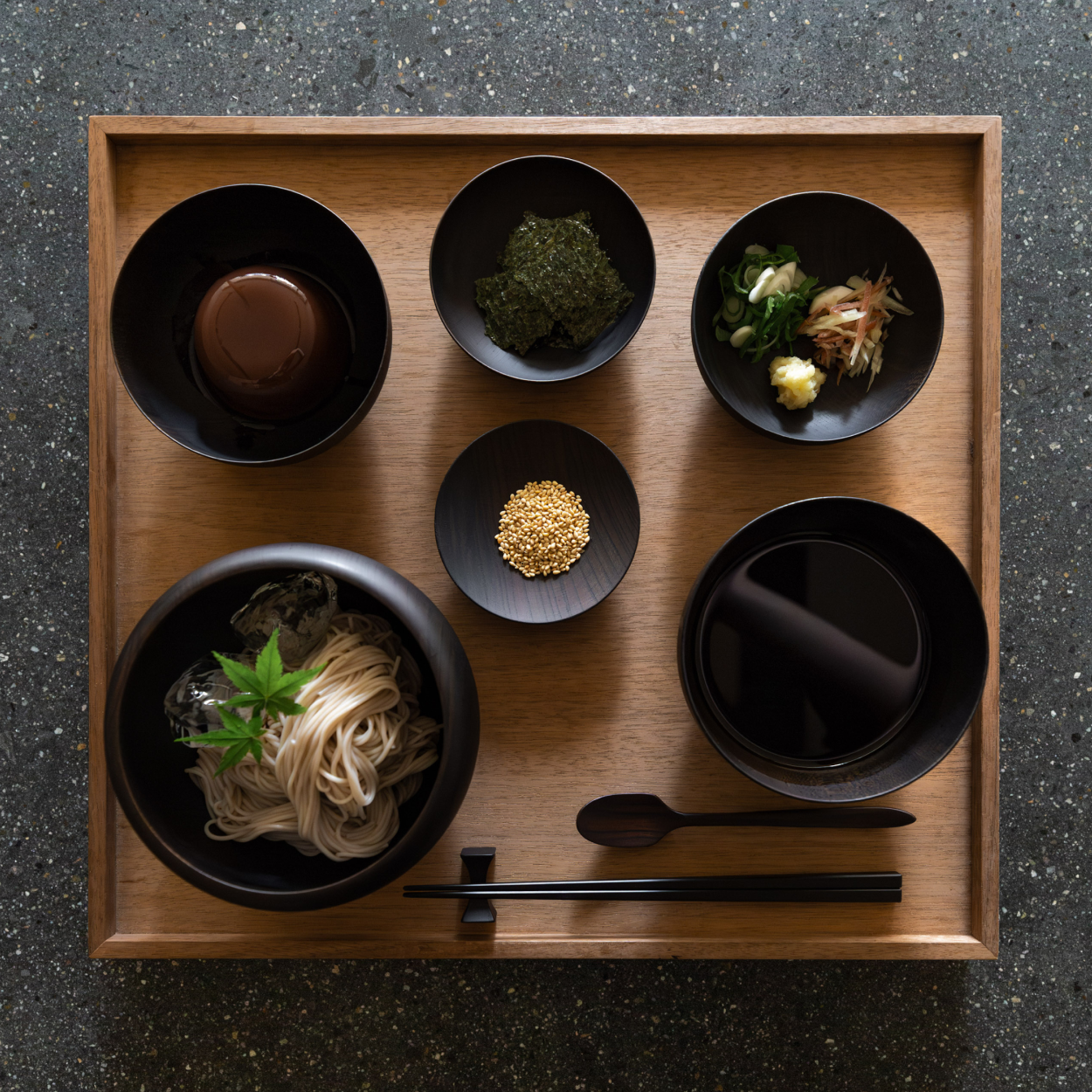

A tradition of material honesty since 1250
Yakimono Apprentice Program
Shigaraki is one of the six ancient kilns of Japan.
The reigion's ancient Lake Biwa has been a wellspring of rich clay for centuries. Sourced from sedimentary layers, the clay’s adaptable nature makes it ideal for crafting tools for tea ceremony and household goods.
Now you can become a part of the legacy: learn from six master potters on-site at a historic kiln. You’ll experience the entire process of Shigaraki ceramics, including clay gathering, studying regional techniques from local masters, and kiln building and firing.
By the end of the program, you’ll have created and fired dozens of pieces, with the final firing occurring in the traditional climbing kiln, which is only fired a few times every year.
- Location Shigaraki, Shiga, Japan
- Experience required Mastery of fundamental ceramics skills
- Capacity 8 apprentices
- Duration 2 months
- Cost $12,000 for inaugural term (Feb 2027), $15,000 for all terms thereafter
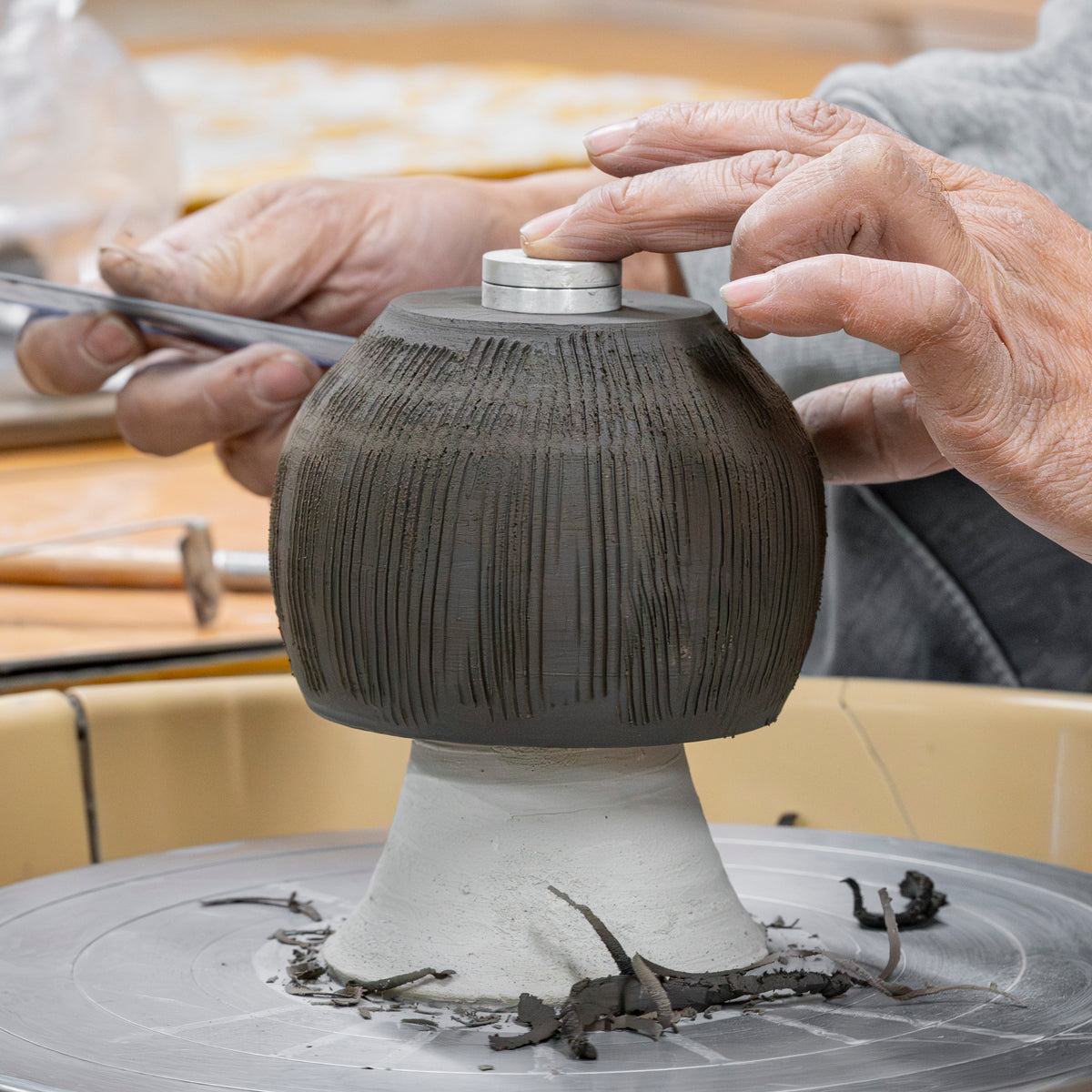
Applications for 2027 dates are now open:
2027 Dates
- Early Spring: February 1, 2027 – March 26, 2027 (discounted rate for inaugural program)
- Late Spring: April 5, 2027 – May 28, 2027
- Early Fall: August 23, 2027 – October 15, 2027
- Late Fall: October 25, 2027 – December 17, 2027
To apply, please fill out the form and share a bit about your background, including what draws you to Japanese ceramics. Selected applicants will be invited to interview.
The Stewardship of Shigaraki
This program will be hosted at Oogoya, a 150-year-old kiln and workshop in Shigaraki. The on-site workshop is a fully-functioning facility. Through this apprentice program, we are creating a formal structure for expert knowledge to be passed on.
By bringing new interest, energy, and funds into the local ceramics community, kilns can be fired more frequently, in addition to more instructors and educational support being required. In turn, this will allow for the hiring and teaching of new local apprentices.
This feeds into a long-term strategy that connects Shigaraki to the modern market and helps Shigaraki ware endure through the next generation of artisans.
The Kiln
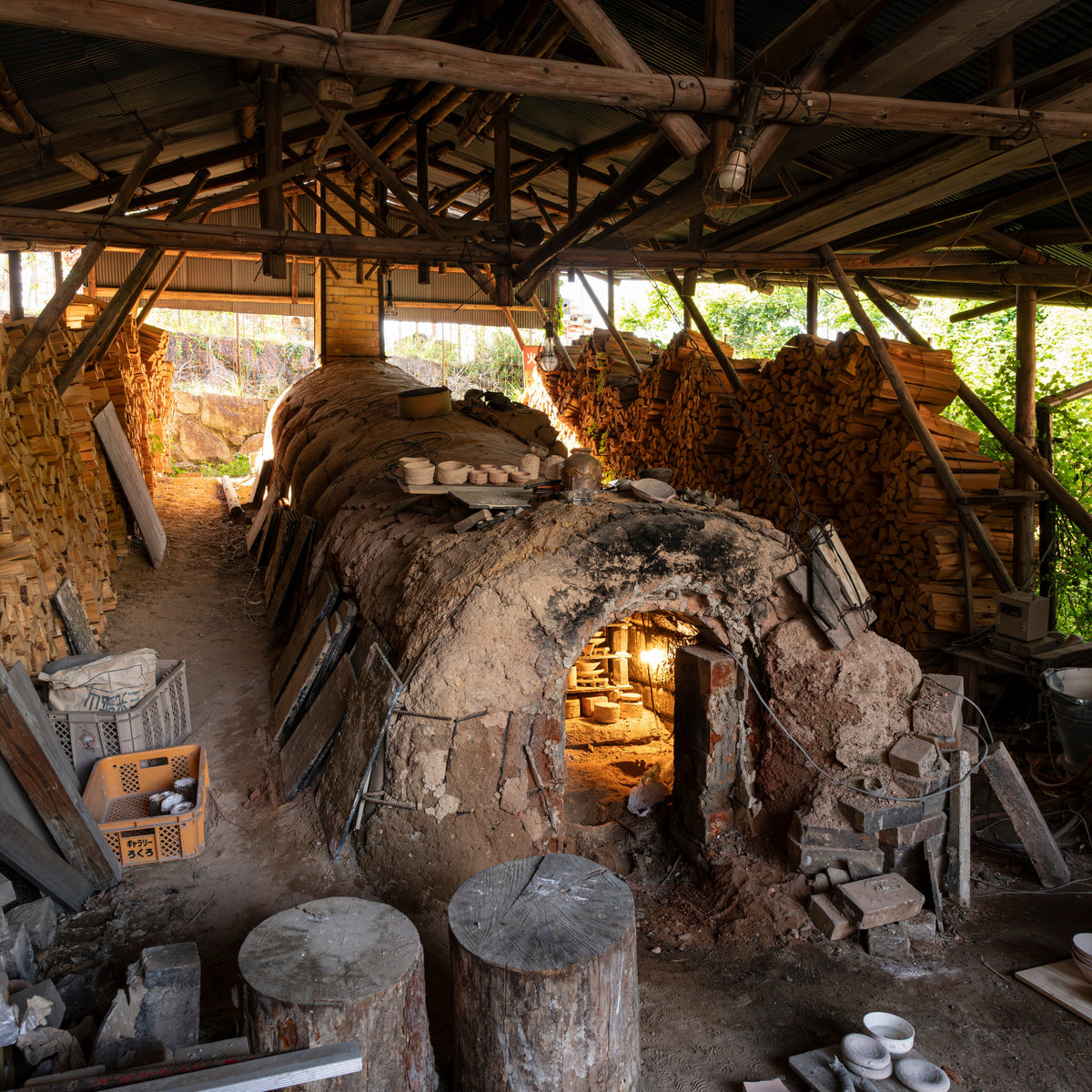
The jagama snake climbing kiln is a rare piece of physical infrastructure. Apprentices will live onsite near the kiln, learning how to navigate the interaction of fire, ash, and clay which is signature to Shigaraki. Each term concludes with apprentices experiencing the jagama firing process themselves.
The Clay
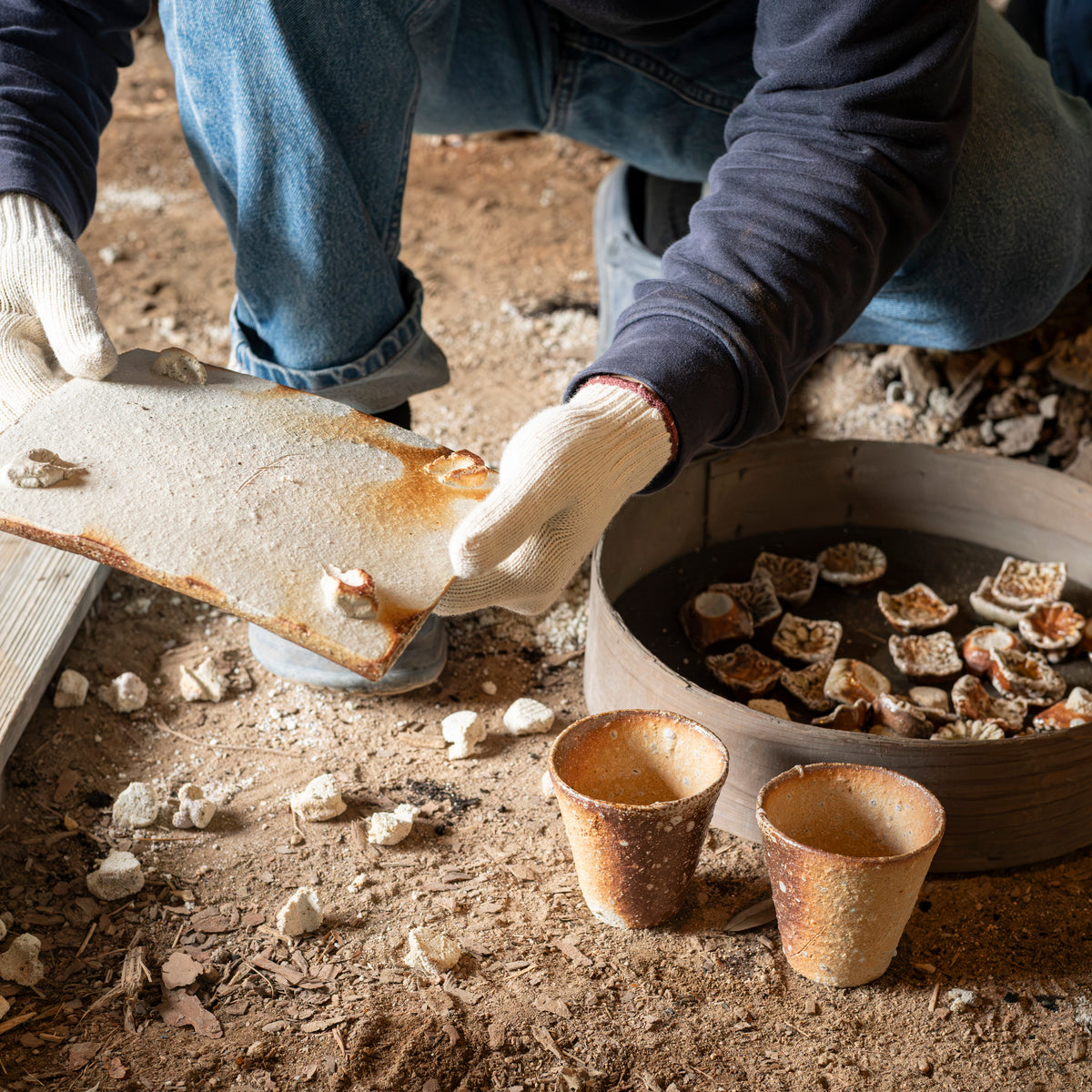
The earth around Shigaraki was once underwater, and the mineral composition from that makes for very durable pottery. Its signature orange color and the effect of ash settling on the pieces results in the creation of completely unique wares.
Meet your instructors
Unique to this program, instruction will be guided by a different teacher each week. You'll learn regional and personal techniques, benefitting from each of their perspectives and expertise.
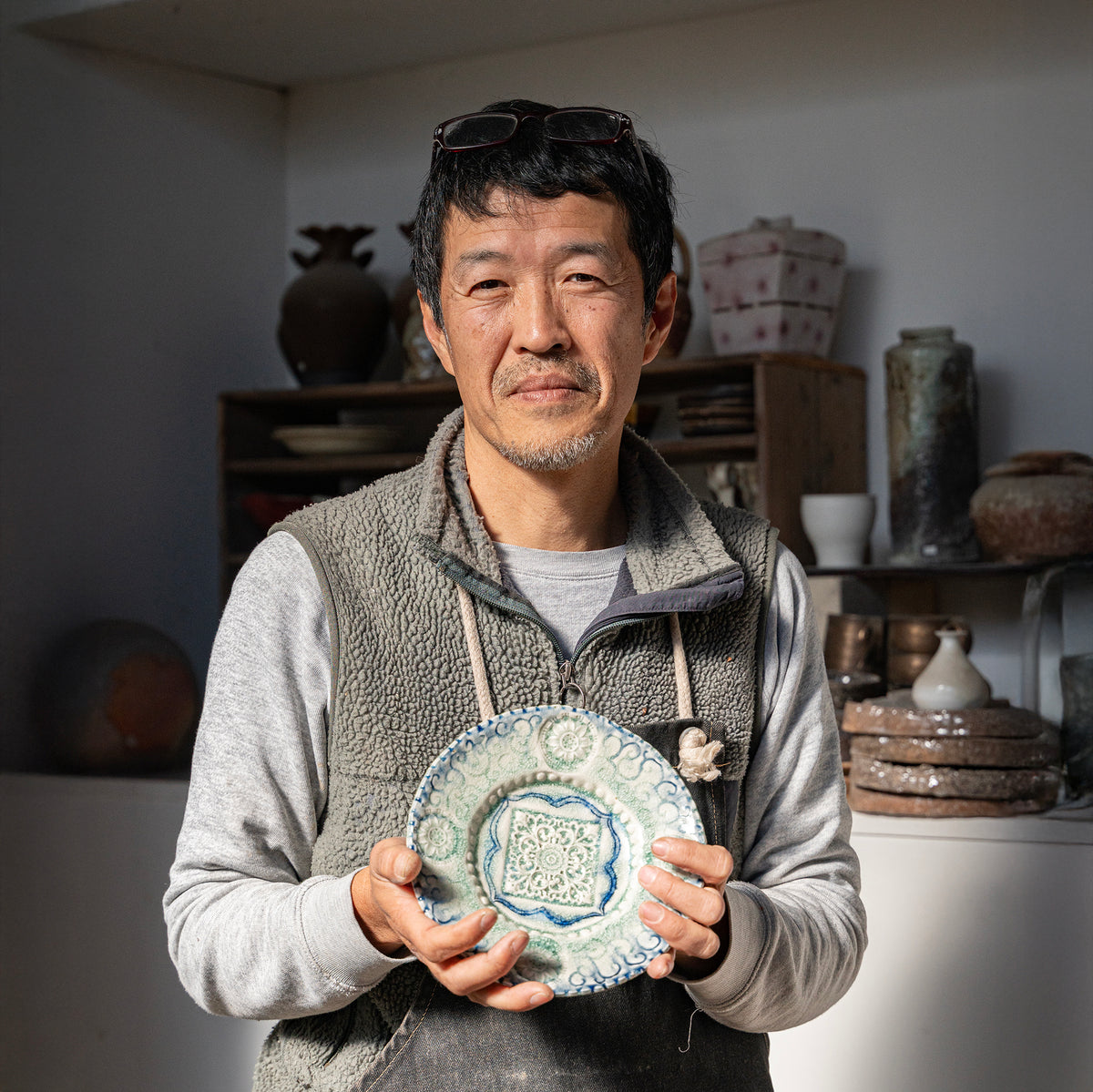
Matsumoto Tomohiro
MATSUMOTO Tomohiro is a Japanese potter working with Shigaraki clay, continuing a family tradition that spans over 150 years. As a fifth-generation potter, he is known for his bold approach to glaze and color.
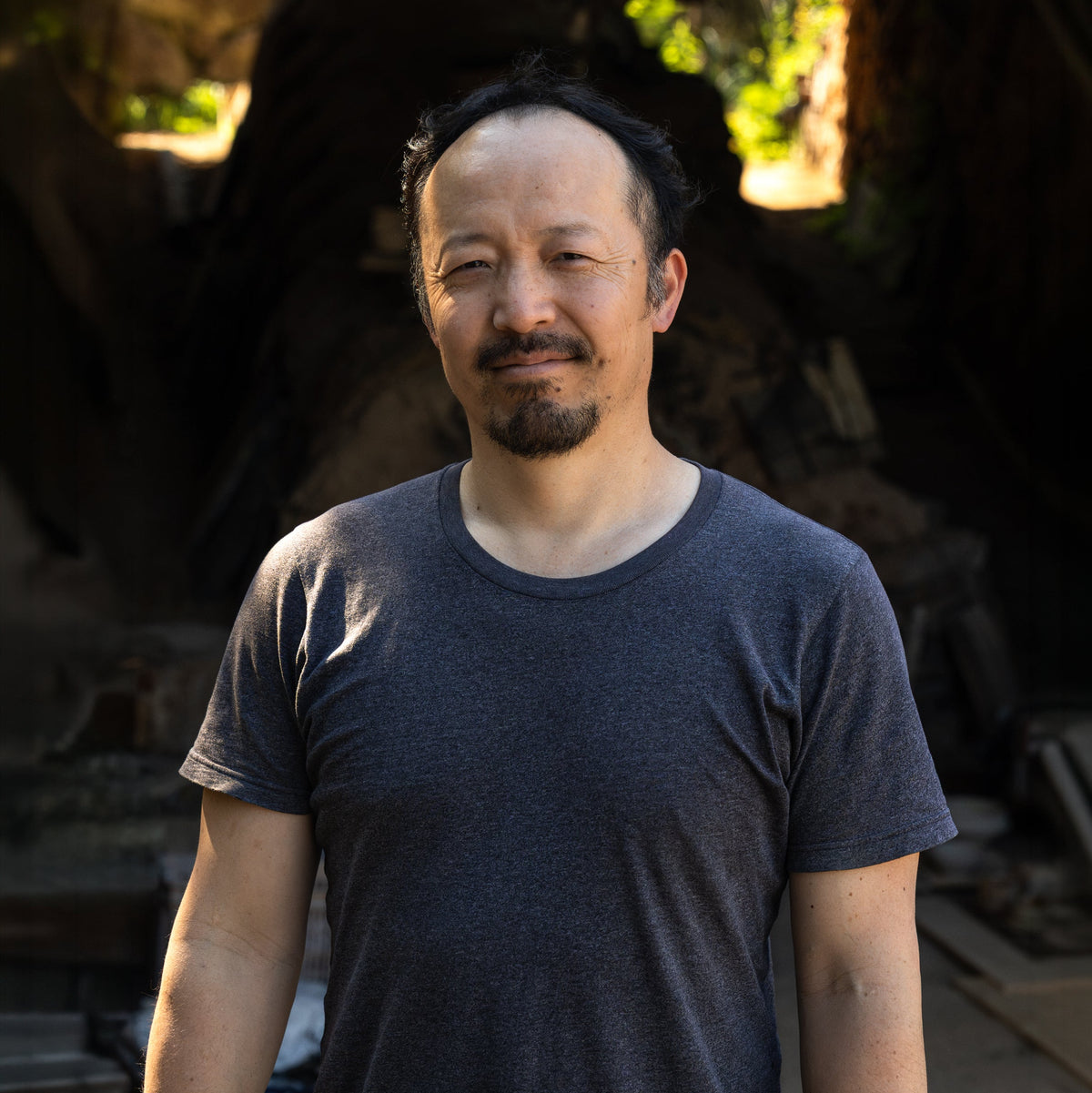
Sugimoto Yu
SUGIMOTO Yu is a Japanese pottery artist rooted in the traditions of Shigaraki-ware. Sugimoto’s pieces make full use of the natural character of Shigaraki clay, playing with geometric shapes and unique glazes.
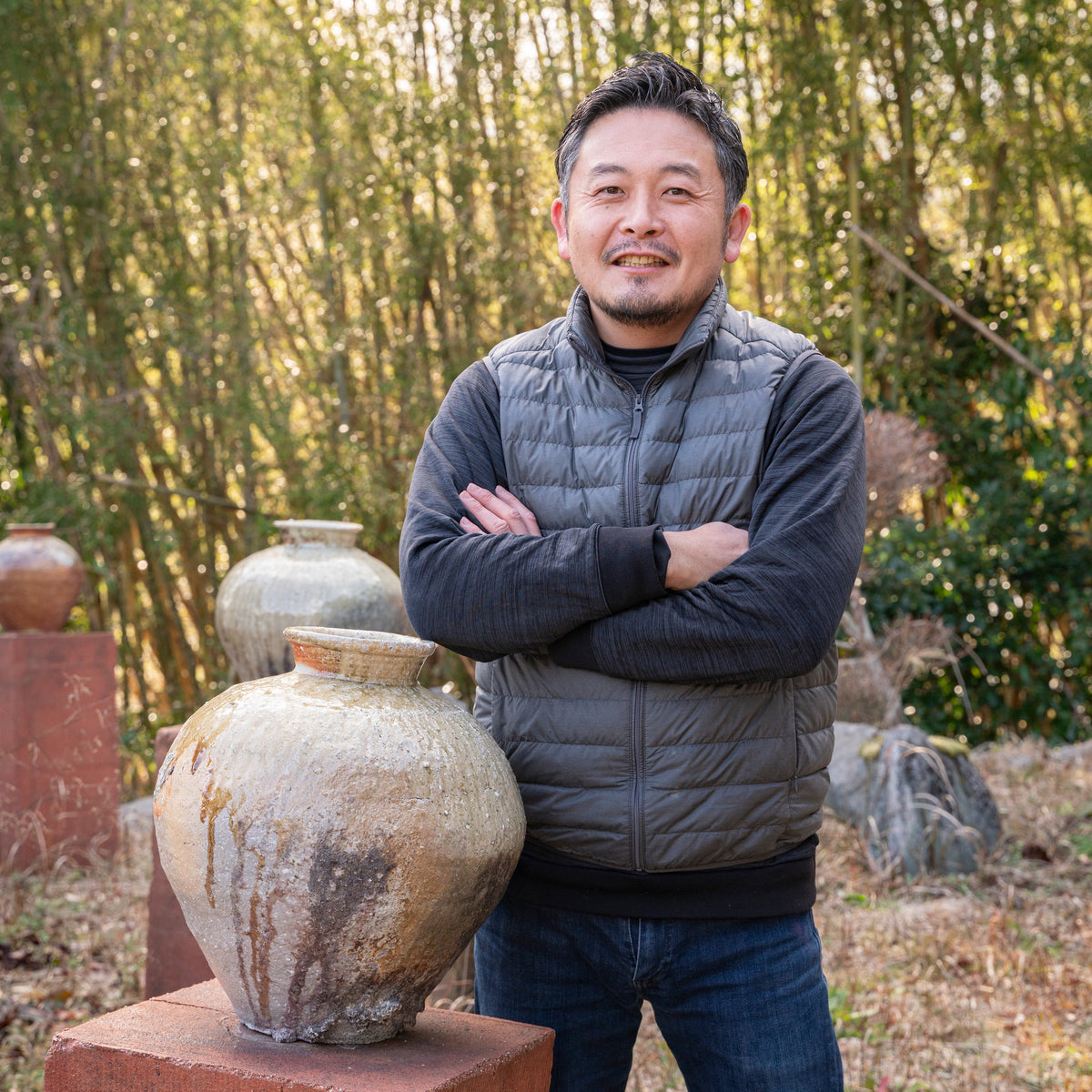
Suzuki Hiroyumi
SUZUKI Hiroyumi is a Japanese ceramic artist whose work is shaped by traditions across different countries, including Japan and Korea, creating pieces informed by his study and experience of these cultures. He follows a strict "no shortcuts" philosophy, ensuring every piece is meticulously crafted to last for centuries.
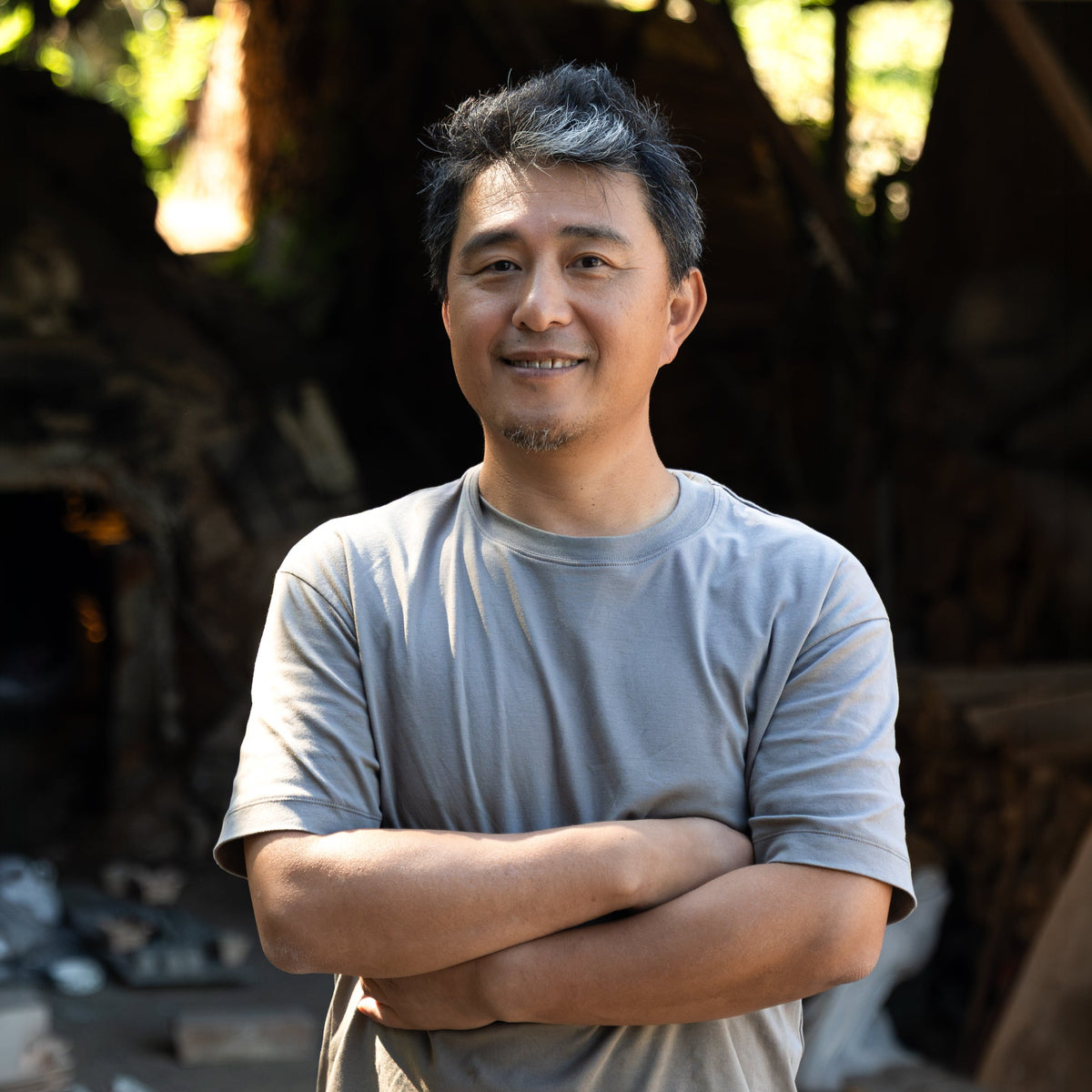
Sawa Katsunori
SAWA Katsunori comes from a family of potters in Shigaraki. He received professional training in ceramics before completing an apprenticeship under a master potter. He later established his own practice in Shigaraki. He follows an intuitive, blueprint-free philosophy, crafting functional tableware designed to be actively enjoyed in daily dining rather than displayed in museums.
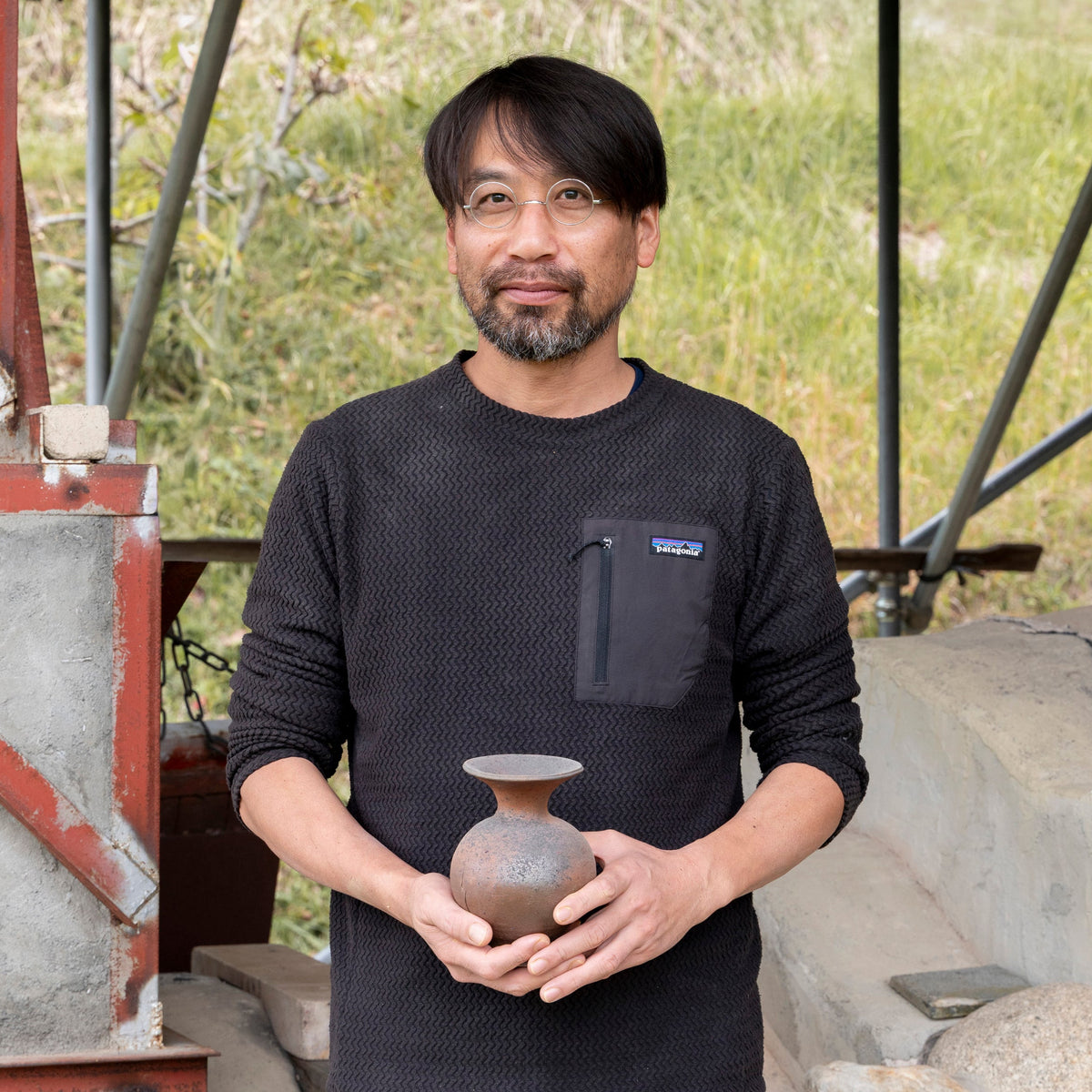
Tanaka Keiji
TANAKA Keiji is a Japanese pottery artist dedicated to rugged beauty. He commits to traditional, physically-demanding methods, from digging clay from local sites, to using a kick wheel (kero-kuro) and firing exclusively in a wood-burning kiln.
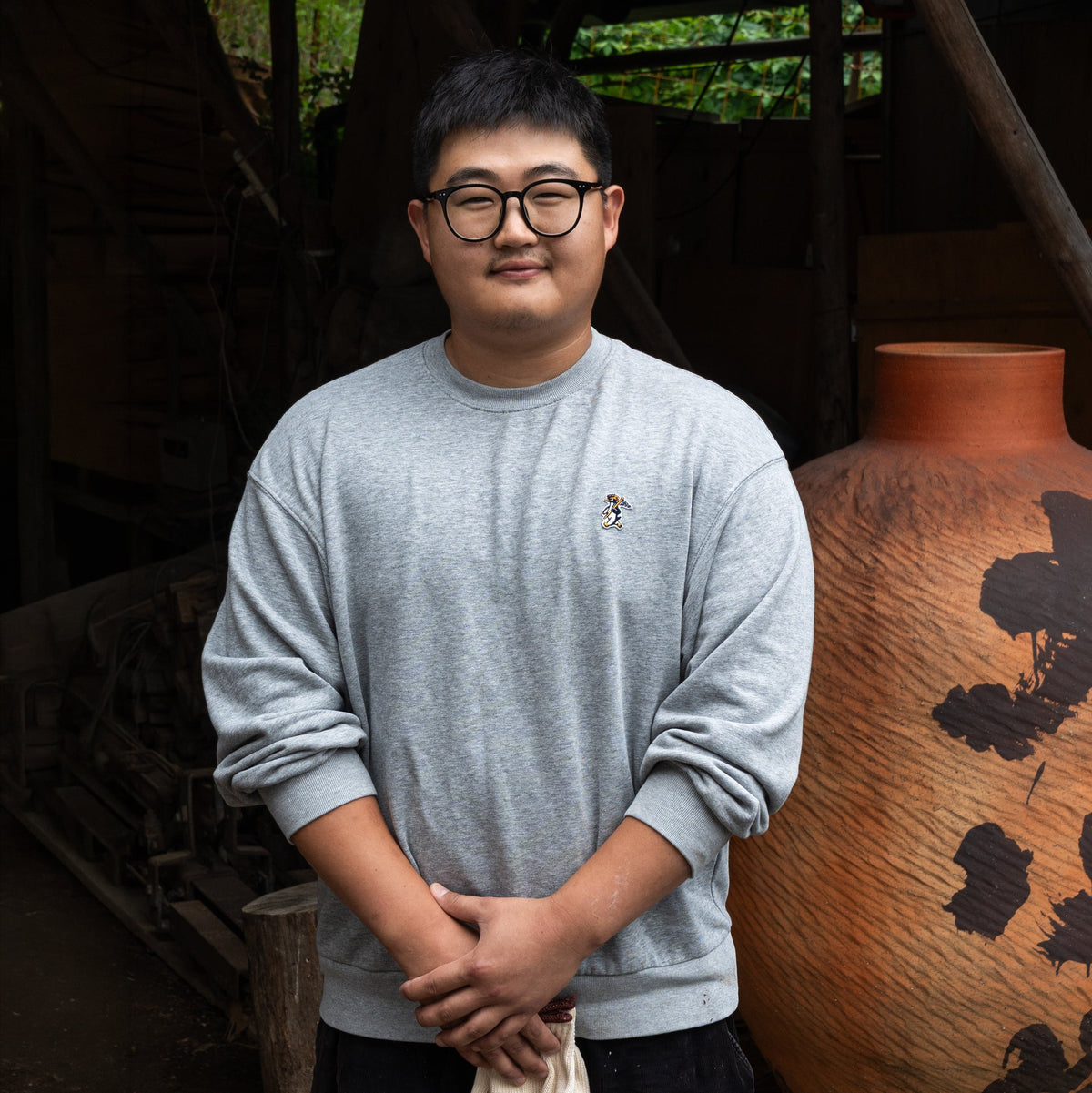
Lee Jaehyeon
LEE Jaehyeon is a Korean ceramic artist based in Japan who synthesizes traditional pottery techniques from both Korea and Japan. Moving to Japan after his ceramic studies, he trained under SUZUKI Hiroyumi. Lee expresses his craft across a wide variety of styles. Harvesting raw mountain clay, he approaches each creation with a philosophy that connects his inner state of mind directly to the finished work.
What is Included
Workshops & lectures
The program offers a rich balance of structured instruction and unstructured time for hands-on exploration. You will learn directly from a rotation of master artisans, with each instructor bringing their own distinct techniques, generational knowledge, and personal philosophy to the studio.
Guided Instruction: Four days a week focusing on specialized throwing methods, traditional kiln styles, and advanced firing techniques.
Field Trips: Curated excursions once a week to be immersed in Japanese culture and tradition.
Open Studio Access: Generous free studio hours to practice and experiment.
While you will have the freedom to craft a variety of personal ceramic pieces throughout the term, your work will culminate in a capstone project: hand-forming your own tsubo — the iconic, large-scale storage vessel that defines the timeless heritage of Shigaraki ware.
Field Trips
Beyond time spent in the studio, the program incorporates a series of immersive field trips designed to illuminate the broader ecosystem of Japanese yakimono (pottery and ceramics).
Rather than treating ceramic art as an isolated discipline, these excursions explore the deep intersections between pottery, regional landscape, architecture, culinary traditions, and spiritual heritage.
Accomodation
Apprentices will stay in a purpose-built 8-person residency designed by award-winning traditional temple builders. The structure employs authentic Japanese carpentry methods, with each beam cut in Fukuoka and assembled on-site in Shigaraki, echoing ancient temple construction techniques.
Amenities include:
- Private, studio-style bedroom/work space and bathroom in a shared accomodation
- Shared kitchen and living space
- Lodging is onsite with the ceramic studio
- Wi-Fi and workspace
- Nearby train access to central Kyoto, which takes about 1 hr 30 min
- Peaceful pottery township surrounded by nature
- Shared bicycles for local transportation & shared car access
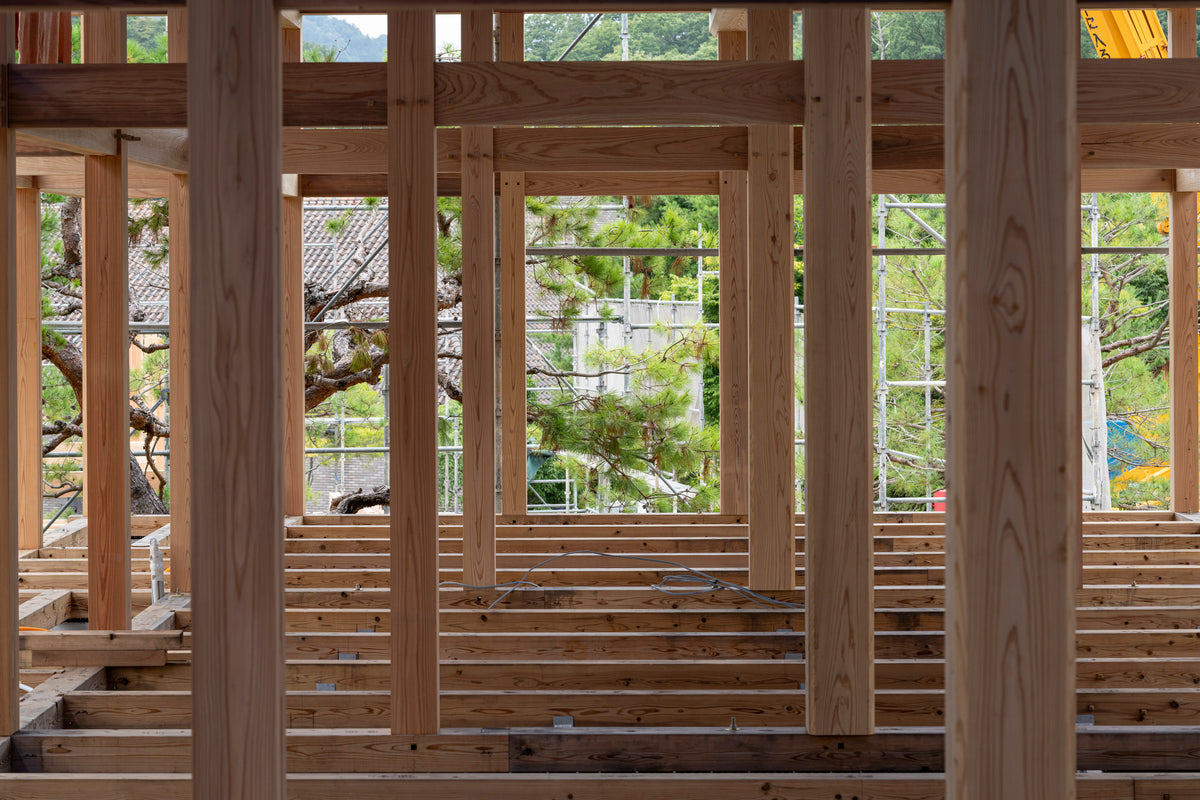
built by master temple builders
residence in progress
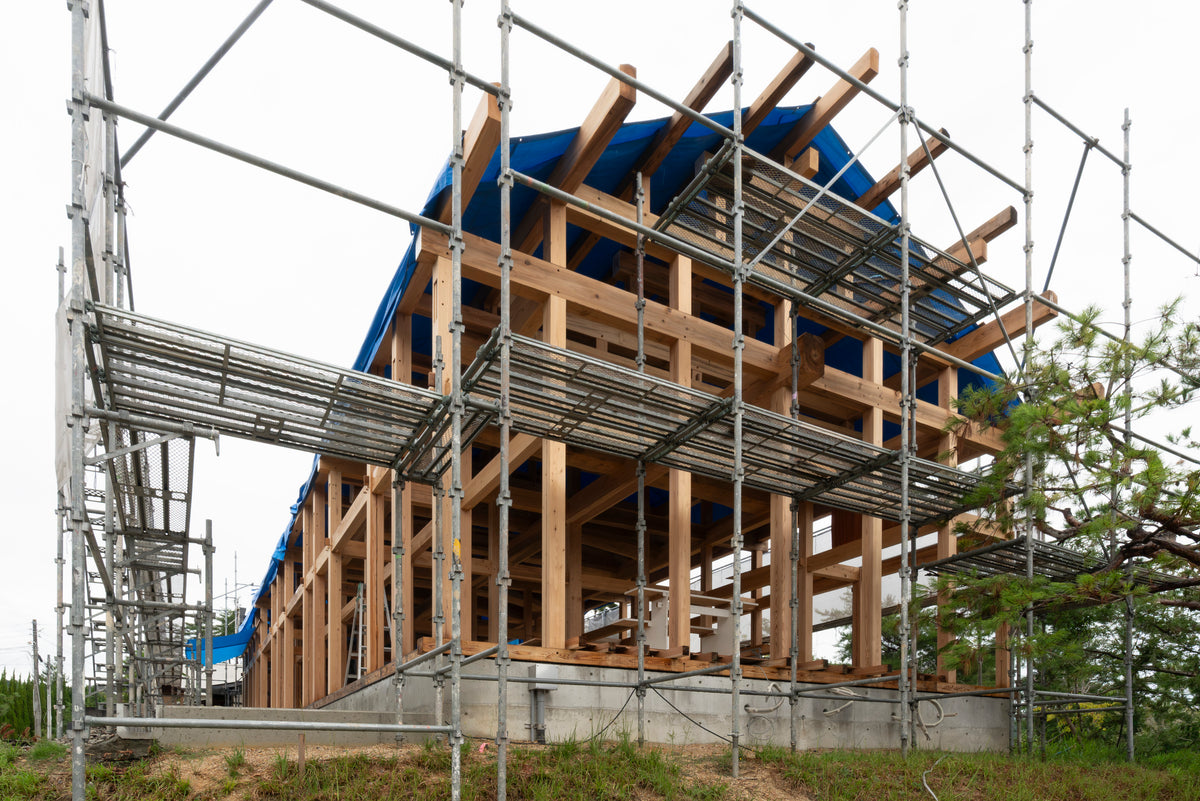
built by master temple builders
residence in progress
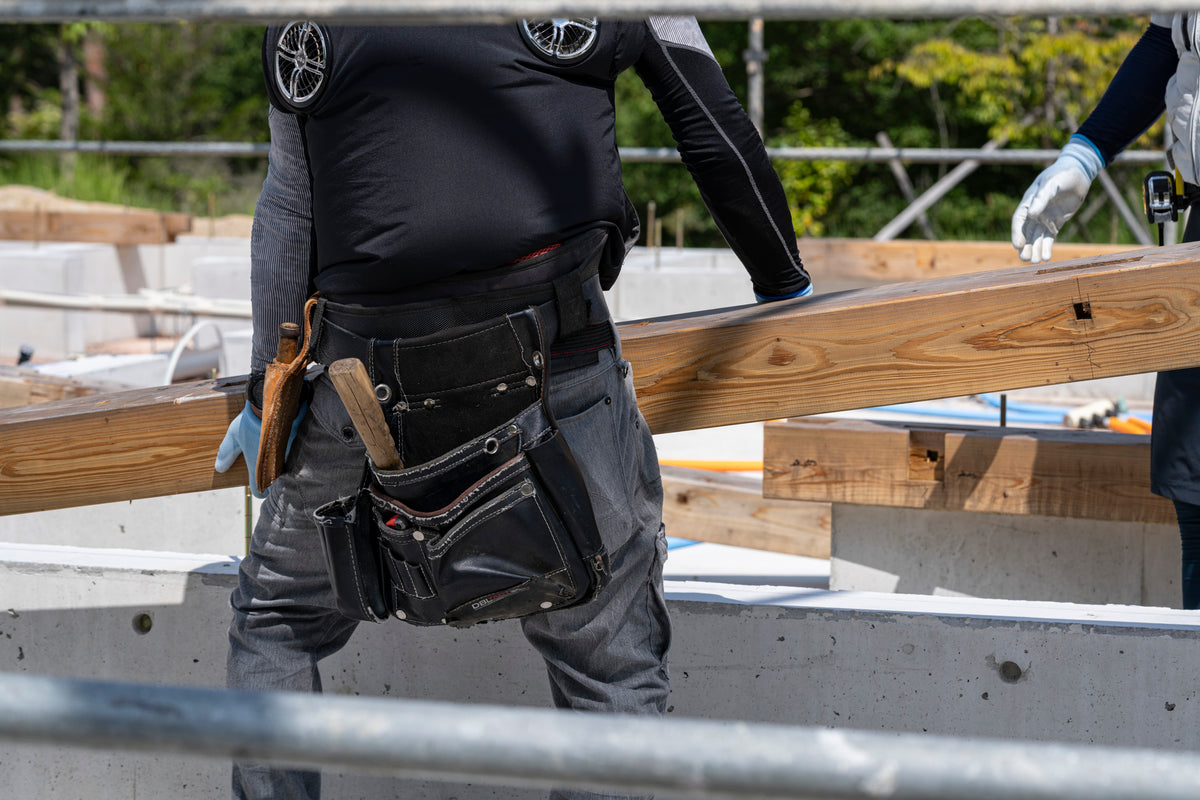
built by master temple builders
residence in progress
Apply Now
Begin your journey to Shigaraki today: fill out the application form and, after review, our team will inform you if you've been selected to interview to become an apprentice in 2027.